
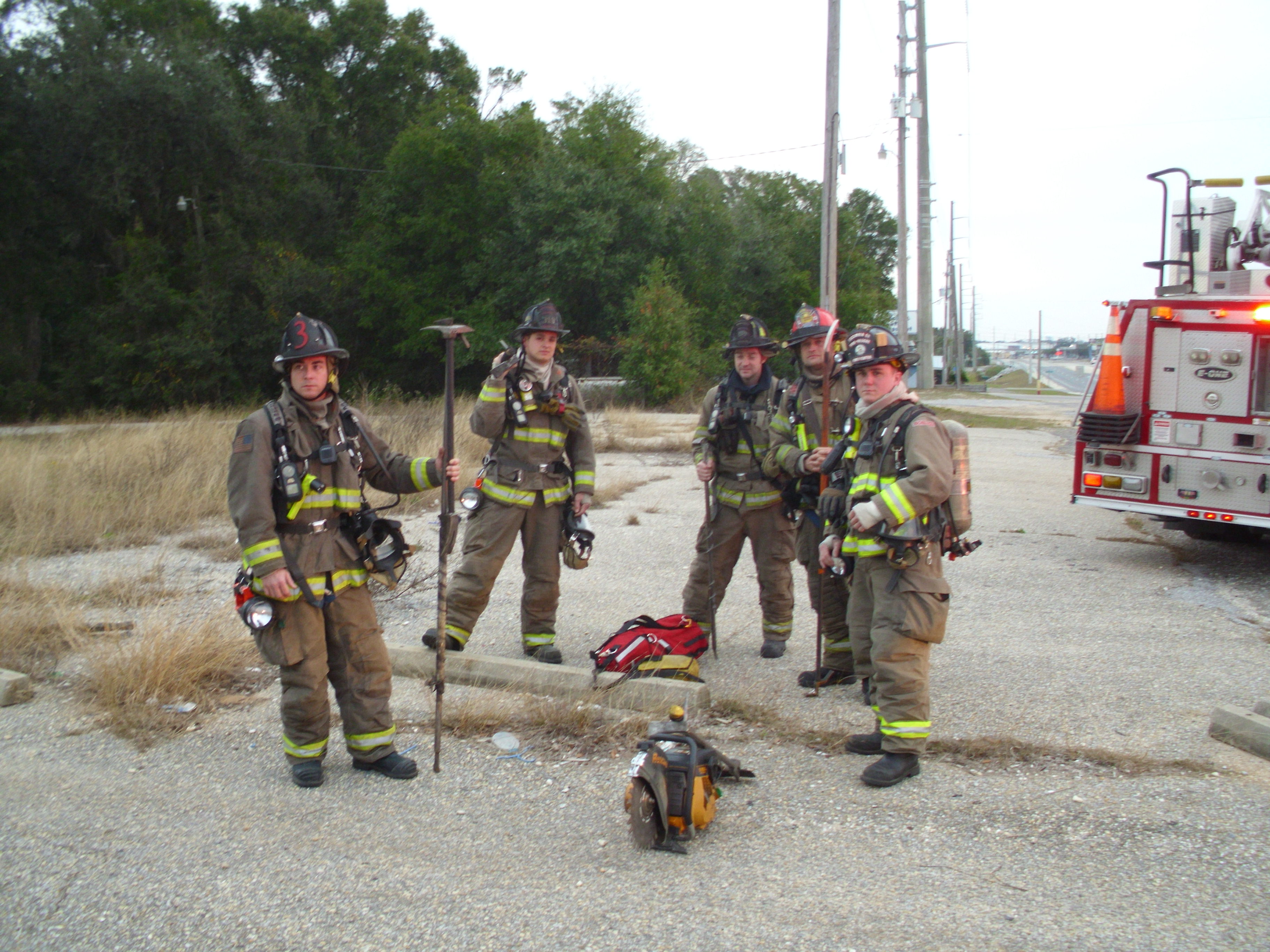
Rapid Intervention/Firefighter Rescue Teams

When do you assign a RIT/FAST?

The Fire Ground is so dynamic and the functions that must be completed to save lives and property, make it a serious challenge on when to assign certain task, based on available firefighters/companies. The two-in-two out is not reliable when a real world event happens. Could those two firefighters possibly be more efficient doing some other fire ground functions to prevent a mishap?  Do you know what IRIT stands for and have you really read up on what two out really is? The two out is a temporary CHECK in the BOX and Check in the BOX it is. But, so many Chiefs’ are more concerned with checking the box, that THEY fail to understand if the check is really efficient and has been fire ground tested. Like the whole changing channels during a MAYDAY. Hey Brother, standby, while we have all your other brothers that are close by, change to a different channel. We have got to stop coming up with Tactical Theories and start talking with experienced veterans “ones that respond and actually have been there” on what will really work and not what sounds good in a conference room on Monday morning.

When should we assign RIT during the initial attack?  How many should be assigned? Where should they stage?  WHAT TOOLS SHOULD THEY HAVE?  What should they be allowed to do while standing by? Can they be put to work? What channel should they operate on? When do we terminate the RIT assignment? What type of training should they have? Does YOUR department only assign firefighters/companies to RIT that have been properly trained? Does your department just assign for the check in the box? What’s more important the first line and getting the building ventilated properly or having a RIT before any other tactics are performed?

Does your FD always assign FOUR?  What is the most important thing the RIT does for a down firefighter inside?


DO you assign RIT on all FIRES?

What could have happened? We must evaluate. Size-Up! “Video Below”

What do you see? Could that catch you off guard?

How about the double boarded windows? Small house, Big Challenges.

How big is this duplex? How big does it have to be to catch us off guard?

This fire lasted for a minute. Basically it was Fire Gases burning off.What is the point of no return during a Flashover?

The link below is to the LODD report of Steven Solomon Atlanta Fire. He died six days after the above fire from burn injuries. He was only a few feet inside the front door when the fire gases lit off from the O2 introduced at the front door. The video at the top is of a fire that happen six months later and injury or death was averted because of the lessons learned. So, please study the Atlanta Fire and know that if we had not studied it, it could have been repeated in Escambia. Thanks to the Chief’s of Atlanta for sharing and passing on their lessons learned. For the report was not available when the Escambia Fire happened. It was the Chief’s willingness to share the knowledge of the fire at the funeral home.  RIP Firefighter Solomon.

http://www.cdc.gov/niosh/fire/reports/face200702.html

Below link is to UL Test on Ventilation effects in house fires. Great Training!

http://content.learnshare.com/courses/73/306714/player.html

Should your hood & ear flaps be utilized?

What do the ear flaps provide?

Why do FIREFIGHTERS cut their ear flaps out? Why do FIREFIGHTERS leave them tucked up into their helmets? Why do FIREFIGHTERS purposely not utilize PPE? How would the Modesto Firefighters have turned out if they were not wearing all their PPE?

Talk about this with your crew.  Salty is not COOL at the expense of getting the job done without unnecessary injury.

What do you think? Do you have FIREFIGHTERS that cut their ear flaps out and/or do not wear hood?

http://www.youtube.com/watch?v=aNt3BQ2kYgg&feature=relmfu

http://www.modestogov.com/mfd/downloads/docs/Coston_Fire_Final_Report.pdf

Modesto Firefighter spent 53 days in the Burn Unit. Returned to work Ten Months later. How would it have turned out, if He was not wearing his proper PPE?

What is the distance for collapse zone? If inside where is the safest?

Where is the safest place to be "when inside the colllapse zone" during a building collapse?

Firefighters have been seriously injuried and killed by building collapse. You should always keep in mind the buildings construction and collapse potential. Firefighters have been killed from collapse hours after the fire had been brought under control. There are still extreme dangers during overhaul. Evaluate the buildings stability.

After your first ROUND. How do you prepare for the SECOND round?

How do you breakdown once outside?

When do change out bottles? How do you prepare your gear while in REHAB? Do you always remember to turn off PASS? Do you confirm lights are still charged? Do you know who replaced you inside? Have you given a report on inside conditions? WHERE IS YOUR CREW? Do you all stay together while outside?