Safety Factor Today?

Attention: FireFighters

What’s your safety factor today?

Over the past year I’ve been finding myself showing up to work worn out mentally, physically tired, and head just not in the game. I’ve been in medic school, and just don’t have time for much else. In the mornings I would be shaving and look in the mirror and ask, “could you give the performance of your career today? What if today was the “Super Bowl”?” And the honest assessment of myself was scary sometimes to say the least. I know that if “The Fire” happened that day, I would not be as ready as I should, and I didn’t like the feeling.

Each member of the fire service needs to stand in front of the mirror at the beginning of every shift and make a no bull assessment of what their true capabilities are for that day. I like to break this assessment down into two categories of evaluation each day- one assessment of yourself, and the other of the shift. Evaluating yourself is probably the hardest because we need to get honest with and admit things we are lacking. This mental preparation starts for me when I wake up and begin preparing for my shift.

I like to take a “do your job, and do it the best” approach or mindset. There will never be an age where everyone will go home every time. If there is, that means we have neglected to do our jobs and take risks to save lives; we probably aren’t putting out fires that could be put out; we probably aren’t searching inhabitable spaces in burning buildings; and we probably aren’t searching ahead of the hoseline or VES- that’s what the American people expect of us. That’s why they pay us to be able to sit around all day and wait on a call (we shouldn’t choose to sit). This is a fact that we need to come to terms with while working to improve our chances of fulfilling our calling to the highest standard of skill and service. And is a fact that I like to recognize every time I step onto a rig as this reminder helps to bring the gravity of the job to heart every day.

This mind set tells us that we will do our job and do it to the best we can, so that if we don’t go home, no one will say we weren’t prepared, and our training let us down. A good brother of mine stated a question one time, and actually has it written inside his helmet, “if every fireman were as good as you, how good would this fire department be?“ Think about it, and then think about it again, and then answer it honestly. After this reality check with yourself, change what you don’t like. If this means making time for more sleep the night before, do it! If it means planning time for an one or two hour time of down time during your shift, do it!  Do what it takes if all you need to do is rest. If you need to practice a skill-set or put your hands on a tool that never gets used, do it! If it means going to the fitness room and walking an incline mile with an air-pack on to increase your breathing stamina, do it! I’ve realized that these personal fixes are usually just small tweaks that we need to make in our lives. However, these small tweaks sometimes seem like a lot to overcome before you begin.

The next step in determining your safety factor is assessing your shift. This includes personnel, apparatus, and equipment. Now I can’t tell you how to go through these checklists word for word, you need to decide what is applicable to your shift. Where I like to start is by asking yourself questions about the firefighters you are working with that day such as: Is my normal crew working together today? Do we have a part timer? Have they ridden on the ladder/engine/beach enough to be competent? Are they in shape enough for the job? Can they swim? Are they going to be tired or drained from things in their home or school life too? Will I have to help the LT because he isn’t normally assigned to this station/shift? Be respectful and act like a coach when taking into account the abilities of your crew. Do not make someone feel stupid or belittled because they are not as up to speed as your normal crew may be with the equipment and assignments at your station. However, be honest and tell your crew the truth about their abilities.  Explain why you may change an assignment based on abilities. We all need to be on the same page that we are here for a common goal and sometimes there isn’t a set playbook or roster.

Then know your equipment: Are you in your normal truck? If not, did all of your equipment get transferred over? Is all of your equipment working and consumable items stocked? If something is broken or missing can we adapt with another tool? If so make sure the crew is aware of the “plan B.” You may need to perform a Monday check on a reserve truck when you switch over because they are usually more suspect to issues than your front line apparatus. You may need to train up a part-timer or overtime firefighter on how you operate as a crew or using station specific equipment they will be ultimately responsible for operating on scene.

After all the items of your checklist are evaluated, you are able to make a no bull assessment for your abilities and weaknesses. Make a point system if you want and write it on the duty board. So a score of 10 would mean you are operating with your normal crew and truck with all equipment operational, and well rested firefighters. If you ended up with a reserve truck, acting officer, and part timer, I would rank my safety factor around a 6 or 7. I have never used a numerical scale, but it would be nice to have a visual or comparable system to convey your safety factor. Either way, I would still list out the weaknesses and talk about how to counteract them. Remember to be honest! I know it’s hard for us to ever admit weakness in the fire service, after all we are the go-to guys in almost every emergency scene. This is meant to be food for thought, and an insight to a real issue I realized I was facing–and I know I’m not the only one either. I like to make my assessment and know where our weaknesses are that day so I can operate proactively against them. So please take the time to go through a list you find important or applicable to your shift. Use this as a starting point if needed, but definitely put your own thoughts into it so that your preparation and training will not let you down if you don’t make it home.


“Gradum Ante”

By: FF Daniel Mills

ECFR Ladder 12

The Orange Button “Emergency Button”

When declaring an Emergency, you call the word May Day THREE TIMES!! Why Three Times? Because the first two may not be heard for many reasons. Other noise, scanning feature, bad transmission and so on… Calling the May Day is just the START of confirming Command and other Firefighters operating on the Fire Ground truly understand that there is a Firefighter in trouble and needs immediate assistance. Historically, Firefighters that have been in trouble were heard and understood by Firefighters not operating on the fire ground who were listening to radio transmissions. This is another REASON why firefighters not assigned to the incident should monitor radio traffic. Be Pro-Active and Listen, even when your company is not assigned to the BOX! What If you hear something that no one else hears?  What if? when you call the May Day, your portable microphone is not transmitting and the words May Day are not being heard, or there are numerous May Days all at once. Then who is tracking all the May Days? There were 9 Firefighters trapped in June of 2007 in Charleston and only one May Day came across/was recorded over the air. There was one Orange button that was activated by Ladder 5. Ladder 5 Driver activated his orange button. The Dispatcher came across and advised Ladder 5 drivers orange button is off. What if? 8 other Firefighters would have activated their orange button early enough? We must STUDY and learn from others before us and try to improve for the FUTURE. Everybody knows how and when to call a May Day, but still so many times the words are not being heard. We continue to train on calling the May Day, but need to also FOCUS on the Orange Button and how much it has to offer. When the ORANGE button is activated an EMERGENCY has been declared until otherwise canceled. With the activation of ORANGE button, it also signals what radio it is. This is only as good as you are at confirming that you’re wearing/using the radio for your assigned seat. Remember Captain 8A in Houston on North Loop, they knew he was in need of assistance and who he was, based on radio identifier. The ORANGE button will work, when the mic will not. The orange button will tell Command, the dispatcher, and other firefighters who is in trouble without ever hearing your voice. So remember how important the ORANGE button truly is and wearing the assigned radio. Do you or your Chiefs have a list of assigned radio numbers and what radio is assigned to what seat? Do the Officers know their crews radio numbers when displayed on the screen? It shouldn’t be Morse Code.


Last thought, can you and your firefighters activate the ORANGE button with GLOVES on? Have you trained on it? Who and how do you reset it? What Channel will the ORANGE button work on? Is Your ORANGE button covered by Radio Strap? Remember the Devil is in the Details? Confirm your Orange button is not blocked by strap and practice using the antenna as a guide for gloved hand and locating ORANGE button.


Radio Emergency button covered

Improper Placement of Strap.

Radio Emergency Button
Proper Placement!!

The VOICE is in the BUTTON!! Do Not Cover the Voice!!

The Orange Button is On Top of Calling the May Day and giving your LUNAR..

Experience Matters!!

FIREFIGHTERS WITH EXPERIENCE?

A new study states that experienced firefighters more analytical under stress than novices The study found that experienced firefighters had a better understanding of the consequences of a bad decision and therefore felt more stressed.

Are you thinking “duh?”

Well-sometimes it takes a STUDY to show us what we already know, or think we know. Sometimes it takes FACT to help us demonstrate to those making the staffing and fiscal decisions of WHY we need, for example, experienced officers leading inexperienced firefighters. Why reduction of staffing, placing company officers in command roles (vs being company officers and staying with their company), placing inexperienced firefighters in “the front seat” and other short cuts” can end up leaving inexperienced firefighters facing critical decisions—decisions they have no experience or ability to make. Firefighters have absolutely been critically injured or killed in the Line of Duty due to the absence of solid, seasoned, trained and experienced officers and senior firefighters. Sometimes that is known as setting people up for failure. Sometimes. READ ON:

http://medicalxpress.com/news/2013-08-experienced-firefighters-analytical-stress-novices.html 

What are your thoughts on Acting Officers and everybody just moving up when someone takes off? How important is Staffing? How important is it to comply with NFPA 1710 or going from an IRIT to RIT?

The Above is from www.firefighterclosecalls.com go there to see more on Firefighter Safety and join The Secret List!!


Combat Load “Combat Ready”

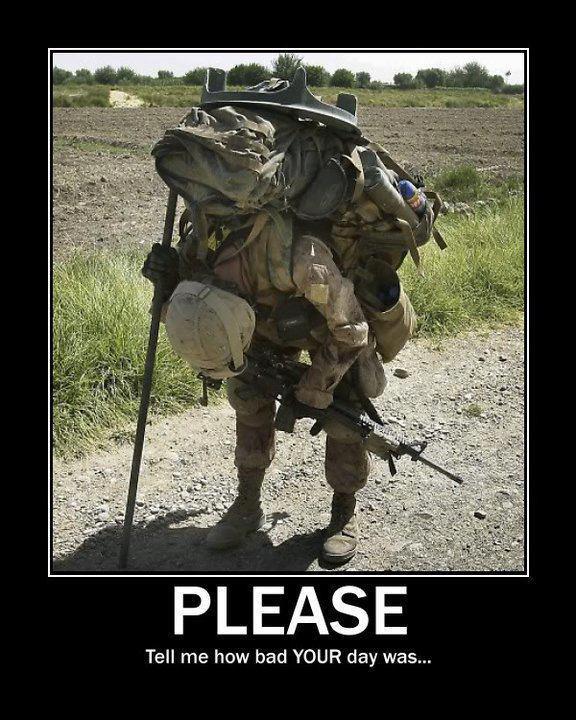
What do you carry as a firefighter? Are you one those, that picks at the other guy about how heavy their gear is? Are you combat ready? Are your wire cutters rusted shut? Did you stop carring your bail-out rope?

First Due Command/Fast Attack Mode

Do your Drivers/Engineers carry two radios when First Due? Why is this critical for communications? How does this assist the Company Officer and/or responding Chief? How does your Driver carry their radio? Why is this sometimes better than the CO carrying two radios? Why is this better tha just being on scan?

Air Packs / SCBA — What options do you like?

Does your driver assist with bottle change and are they ready?

How do you change out and where? How many bottles can you go? How long do they last?

How do you change out and where?  How many bottles can you go? How long do they last?

Air Packs and everything that surrounds them. What type of pack do you prefer? What size bottle do you prefer and why? Do you like the quick connect bottles? Do you like the buddy breathing attachment? There is so much available these days and we should question what makes sense and what does not.

Do you mask up every morning when getting on-duty? Do you check your heads up display? How low before you top off? When is it worth it to top off? Do you pre-connect mask?

Thermal Imager “TIC” Under Utilized

Do you still think it's cool? Have you trained on it lately?

While there is no substitute for real world experience, realistic training is the next best thing. After conducting search training using acquired structures and “live smoke”, there were several lessons learned and reinforced as it relates to entering a fire building and conducting a search while using a Thermal Imaging Camera (TIC). The most obvious of these, is that the majority of firefighters have had little to no formal training in the use of a TIC, and therefore, lack a true understanding of its potential, but more importantly, of its limitations.
There is no doubt that thermal imaging has been one of the single biggest advances in fire service technology in the last 15 years. However, we must remember that it is just another tool in the toolbox, and must be used with caution. While conducting searches, we have always learned to stay low in heat and smoke, with most of us being taught “if you can’t see your feet…get down.” We should not abandon fundamental and sound search tactics while being lulled into a false sense of security by a TIC.
Here are some questions and points to ponder. When searching as a crew or team, which member will carry the TIC? Do you use the TIC to scan the entire room or area? What pattern or method do you use? Do you depend on your TIC to guide you in and out? Are you still maintaining your orientation and exit path strategy using “conventional means”? What happens if your TIC suddenly “dies”, can you find your way out? Are you staying low and using all of your tools to your advantage? What type and size imager do you have, and how do you carry it?

Do you utilize or just carry it? What calls do you use it on?How do you carry? Do you always have it? Do you carry an extra battery on you?How do you carry? Do you always have it?

Get it out and TRAIN ON IT!!  TEST YOUR BATTERIES!!!

How do you carry? Do you always have it? Do you carry an extra battery on you? See how the RIT OFFICER has it Hanging, Ready to go.

Notice how many times the question came up about how and do????

Because so many just LEAVE IT ON THE RIG.

Annual Attack Certification

http://www.urbanfirefighter.com/index/blogs/blogs/uff/uff-main/post987_552739354335574986.html