Chainsaw and the fire service (keep it simple)

Chainsaw and the fire service, keep it simple.

When I worked at the Oakland Fire department, we used a large power head, a Stihl 044 and/or MS 440 chain (No special saw… fire service design etc or special fire service chain). Saws were equipped with carbide tip chains using a 404-7 sprocket and .404” 20-inch bar. This set-up is for structure fires only(See below). We bought the Oregon generic carbide tooth semi chisel design in a large roll and made up our own chain. It worked great.

This way we could replace broken teeth and have a chain with a full set of teeth for every fire.  We also sharpened the teeth with a carbide tooth sharpening jig.  They were the saw of choice on every pitched roof op. The OFD regularly does vertically vent roof ops because of a large quantity of balloon frame housing stock.

 Chain of choice (Below)

clip_image001

Bar of choice for the OFD (Below)

clip_image002

Most of the small engine 2-cycle problems are from new blended ethanol gasoline (never had a saw not start or run well when taken care of).  Any saw exposed to an air lean environment like heavy smoke will not run perfMake sure to understand the problem with modern gasoline blends.  Buy non-ethanol blend gasoline for your small power tools, as ethanol attracts water.  Damage to your equipment will result without quick use of ethanol blend fuel both in the saws’ tanks and in storage fuel cans.  This is a major problem for the fire service with limited rapid use of mixed fuel and prolonged storage.  By the way, you can get straight gasoline at most marine gasoline pumps; this is because the water absorption issue is a well known problem in the marine boating community.

clip_image003

Can Ethanol-Free Fuel Save Small Engines?

www.popularmechanics.com

Any chainsaw chain design, that protects the tooth too much, limits its cutting ability. Most fire service specific designed chain has this problem. You do not need a chain that cuts slow at the cost of preserving teeth. The bullet type chain is in my opinion the worst, almost none of the tooth is exposed the rake is huge and making the tooth almost useless. Sure it will last, but at the cost of functional operation.

clip_image004

Above: Note not only the very large rake but the small amount of cutting edge exposed on the tooth

Think of a chopper blade on a cir-saw, it has a deep gullet to provide both rapid removal of debris and full tooth exposure. Fire service chain saw chain does the opposite of that, there was nothing wrong with generic carbide tooth semi chisel design chain. You can even file the rake down a bit to make it even cut faster.

Please- GO OUT AND TRY IT- buy a generic carbide tooth semi chisel design chain you will be shocked it how it out performs fire service special chain.  I recommend Oregon Chain and make sure not to buy their special fire service chain either.  With increased price and expense does not always come increase performance.  Fire service employees need to know the general physics regarding how tools work as well as proper care and maintenance of equipment.  Only this knowledge will lead to the best and proper tool selection.

Captain Dennis Legear Oakland (CA) Fire Department

The Prop Shop- Hand Prop

I think most people would agree that company level fire training is the back bone of our great profession, it is the day to day stuff that you drill on with your crews that has the biggest impact on our efficiency and effectiveness on the fire or rescue ground. So what are we looking for in a company level drill? Well for me it needs to be realistic, hands on, easily repeatable, and it does not require 4 hours of set up time. 

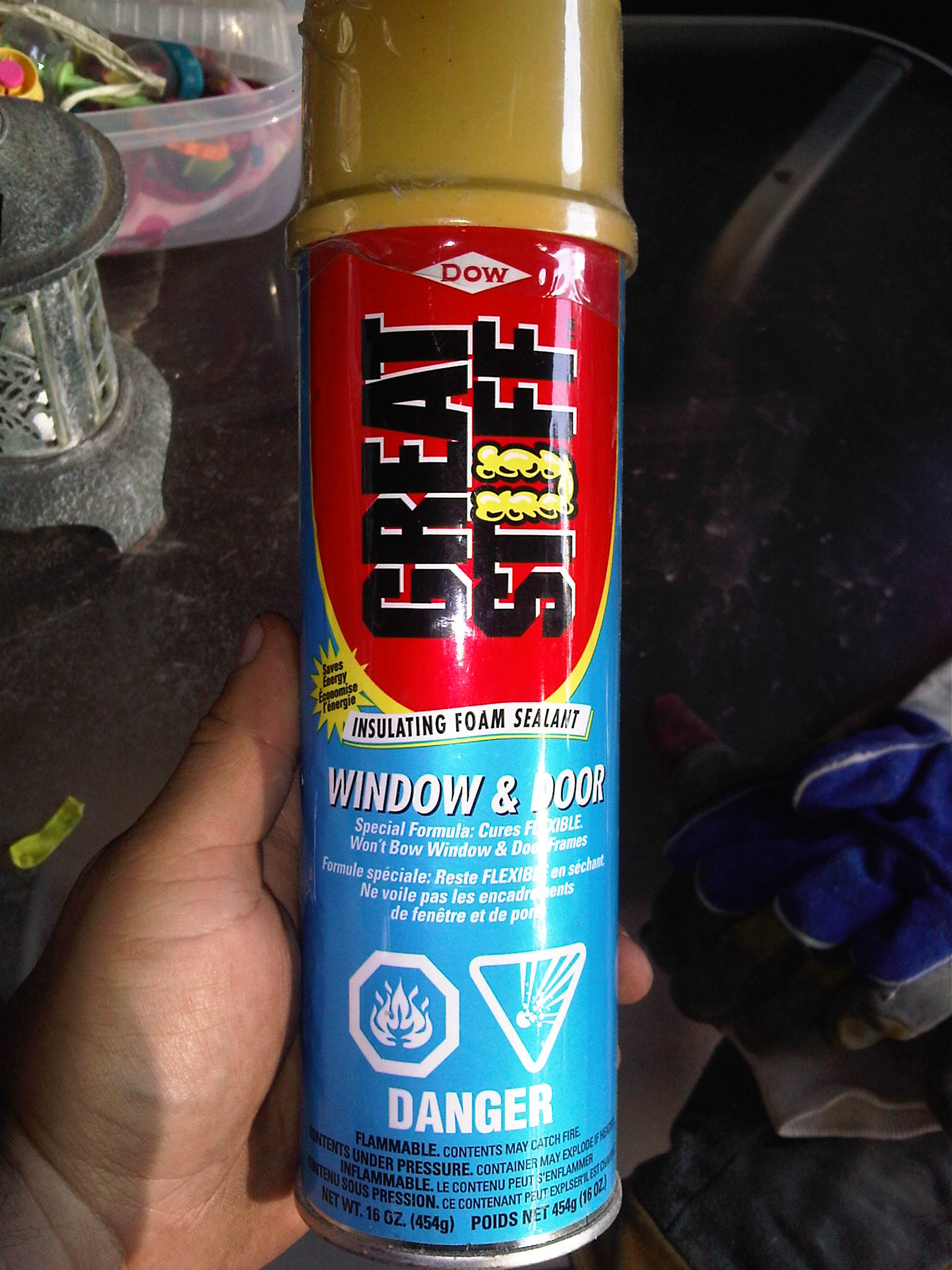
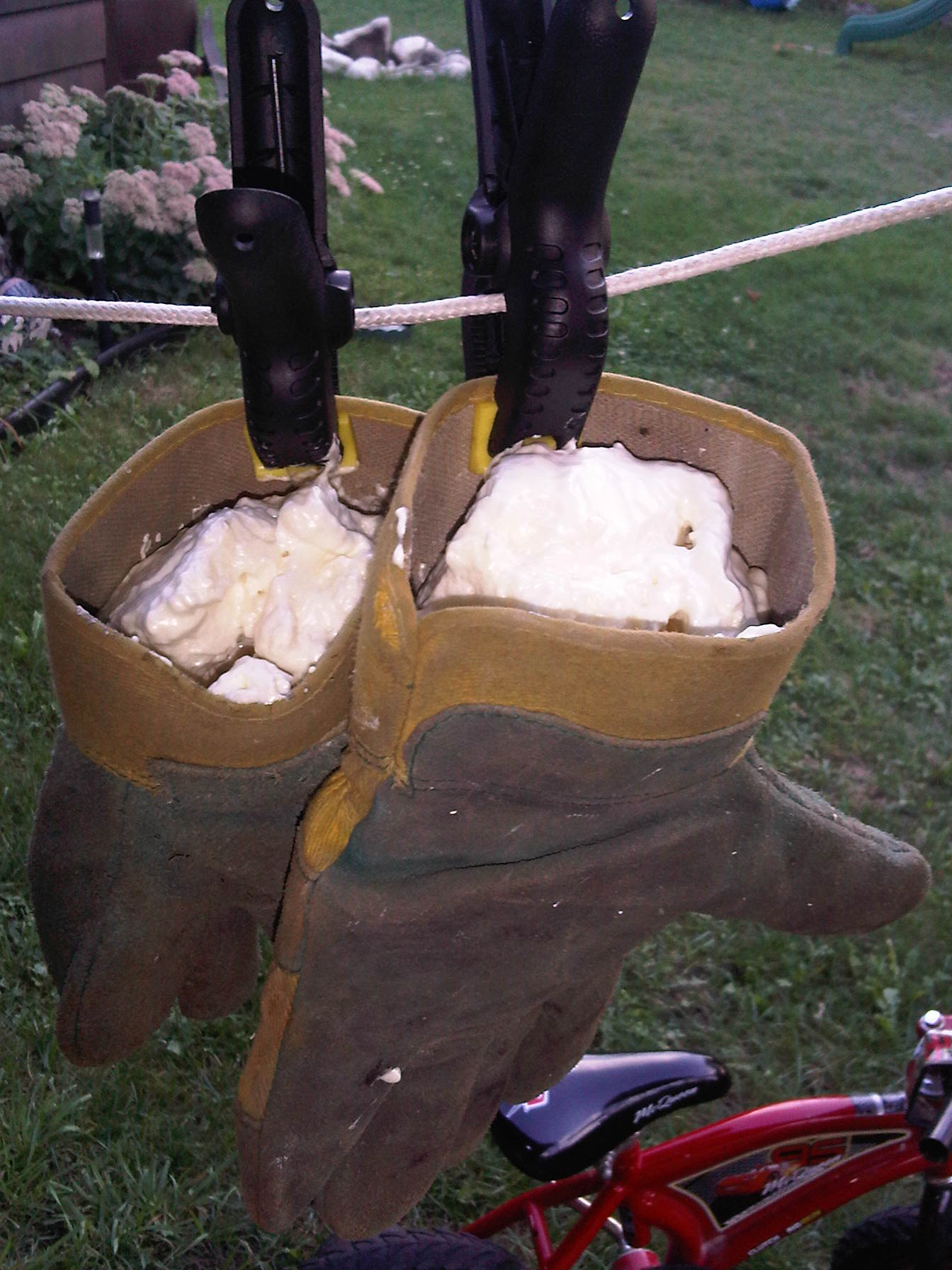
One of the little props I came up with for machine rescue training is a way to make cheap limbs that we could use to get entangled in different pieces of machinery that we could find. Using the typical rescue mannequin hands was usually a little to difficult due to the hand not bending or reacting like a real limb. An easy prop that you can build at the firehouse for under $10 is take an old pair of work gloves or fire gloves and fill them with expanding spray foam (the type you use for insulating around doors and windows). Simply spray the foam into the glove, be sure to get it down into the fingers and only fill the glove up halfway. Hang the gloves up on a clothes line to dry and expand. Once the foam is dry you can use a serrated knife to trim the access foam from the top of the glove.

Image

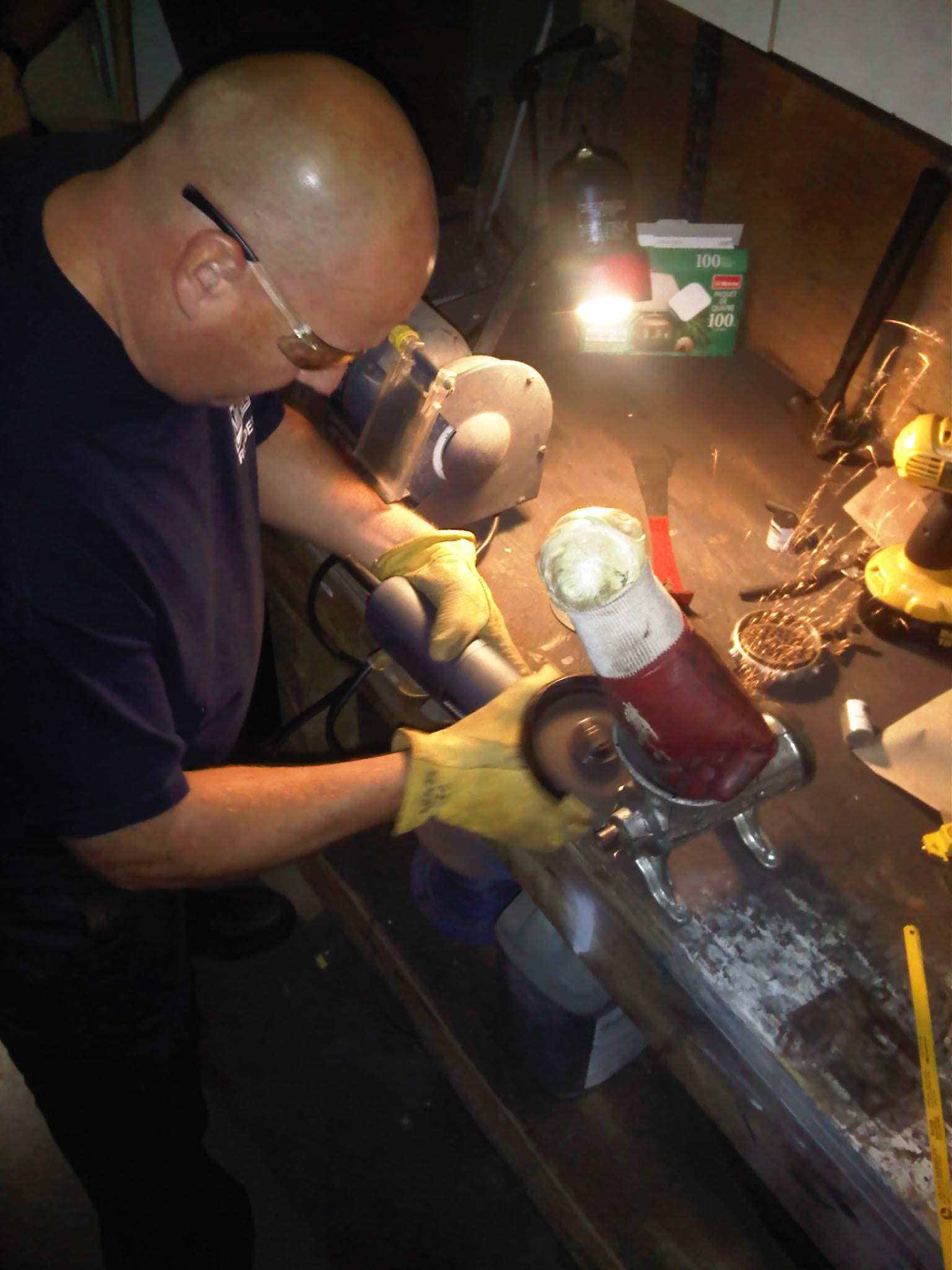
What you end up with after the foam dries is a firm, flexible, realistic hand that you can use several times for anything from machine rescue to impalement drills. It works great and is extremely cheap to do.

Image

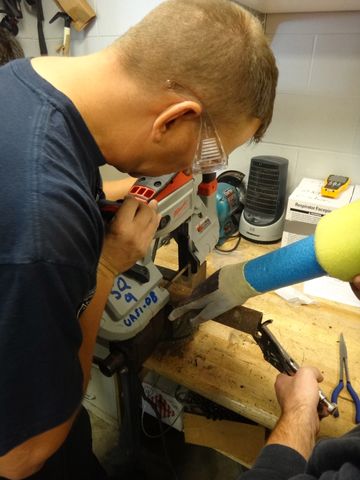
If you are looking to add even more realism to the prop you can also add an arm to the prop. To add the arm take a pool noodle and insert it down into the wet foam and then add some additional foam around the pool noodle, when the foam dries it will have “cemented” the noodle into the glove. Adding the arm works great if you want to entangle it into a lawn mower, snow blower, some rollers, etc.

Image

Image

Image

You can also make a quick and easy leg the exact same way, simply take a shoe or boot and fill the toes with foam and then stick the pool noodle down into the shoe and fill the foam all around it. To make it even more realistic you can add clothes to the leg to make the rescuer have to cut the clothing away from the machine also.

Image

This is a simple, cheap, easy way to make props that will help you out a ton with your in house training.


Irons Maintenance

Give me six hours to chop down a tree and I will spend the first four sharpening the axe- Abraham Lincoln

Tom Brennan use to say that allot could be told about the care and maintenance of ones forcible entry tools, is that true?

How important is the maintenance of your tools?

What type of maintenance do you do to your tools?

How often?

Who does it?


Let us know what you think!

Image

High-Rise Conference

Pensacola Beach High Rise Conference will be held at the 17 Story Hilton, that sits directly on the Gulf of Mexico. The first two days will start at 08:00 in the Royal Palm Ballroom. The Hands On will be on the third day utilizing the Hilton Stairwells/Building. The Hilton Engineers are excited about this training opportunity. There will also be Advanced Forcible Entry Training available.

Hotel Rooms at the Hilton for under $100. Hotel info: www.pensacolabeachgulffront.hilton.com The reduced room rates will be available after Labor Day.

There are currently over 80 attendees registered with a max capacity of 150. Registration cost is currently $200 and will go to $250 when the mass advertisement/flyer is released.

Don’t wait, register today before it SALES OUT or the price goes up.

Ladders, Why Are They Important ?

Truck Company Operations

“Ladders, the Lost Art”

By: FF Kyle Kraatz

Ladders, Why Are They Important ?

The fire service ladder, a staple of many fire department patches and art work often gets overlooked for more pressing issues like EMS training, ICS, or the current NIMS classes we are required to take.  But for the victims at the third floor window waving franticly on the window sill, the ladder is often their last hope.  That is why we need to be vigilant, stead-fast, and disciplined in the art of ladder operations.

The ladder is a vital tool that we carry on most of our rigs, yet they are often only used when needed on the fire ground.  We have no problem training with the Jaws of Life, saving a down fireman, or rapidly deploying the hose line.  All good training, but we often over look the ladders.  Proper maintenance, proper deployment, and proper training must be conducted on them to insure we give our victims a fighting chance…

Read the entire article here

Rescue Company Operations Seminar “Special Ops”

Dump Truck call

One day Seminar on Rescue Company Operations on Pensacola Beach, May 29, 2013. 0800-1700 Hours Class will cover all Rescue Company Operations to include: Advanced Vehicle Extrication, Elevator Entrapment, Farm Medic Entrapment,Grain Silo Recues, Trash Truck Entrapment, Machinery Extrication, Human trapped in hydraulic equipment, kids and vending machines/toys & bicycles, RIT on the Fire Ground & other incidents that require RIT operations. The Instructor has been involved in and responded to all of these type incidents and will cover based on extensive training and incident tested results. This beyond your normal Extrication Training Class. Class Size is limited. This is the First of this type class in the region and has been approved for 8 Hours of Instructor renewal ceus.

Pictures & Video of real incidents will be utilized in this fast passed class.

Main Speaker

Curt Isakson
24 Year Veteran
Curt has an extensive background in Rescue/Special Operations to include Chief of Special Operations for 7 years. Curt took his first extrication class in the summer of 1988 and has been intrigued with extrication & rescue operations ever since. Curt was a member of the Technical Rescue team during his 9 years with the Pensacola FD. He was assigned as the Lieutenant on a Heavy Rescue for 5 years and was assigned as a firefighter to the same Rescue before promotion to Lt. He also started his career in the volunteer ranks assigned to a Bread Truck convertited into a Heavy Rescue and contributed to many modifications and additions.

To Register click on link: https://www.paypal.com/cgi-bin/webscr?cmd=_s-xclick&hosted_button_id=8UZ4HMG76S2FU

The Rear Door “Forcible Entry and Forcible Exit”

The first picture is of the rear door at Odom’s Bar. The second two pictures are of the same door, but from the inside. When looking at the door from the outside, it’s a little misleading. The second two pictures are really what you have on the inside. There are two barrel/ slide locks at the top and bottom. They should not be a problem since they are small screws that are screwed into the inner side of the door and door frame. It doesn’t appear the key lock will be that hard to force, but the big one. The 2×4 drop bar which is located at the middle of the door. The hanger is welded on the inside of the door frame. There is not a hanger mounted on the door. Knowing how this door is fortified, would prepare you for the entry. However since there are not any bolt heads on the outside of the door, you would not anticipate the additional security measures. Hope you get to use this.

This was submitted by Engine 519 of Escambia County FIre Rescue.

Just an Easy key and knob lock. Don’t under estimate any door. We have seen storm doors give a brother a challenge. Take any and all doors serious.

A view from the inside. Not a real BIG DEAL, if you have a REAL SET of Irons and have trained properly. HAVE YOU TRAINED? Do you have a REAL SET of IRONS?Are you up for the Challenge? What if a Firefighter was trapped behind this SIMPLE DOOR?

Cutting the Truss Roof.. Should We?

Image

Image

Image

Getting on and Venting a TRUSS Constructed roof is a big question? Can it be productive? Can we minimize the risk? What tools are the minimum? What are some considerations? Does your FD VENT TRUSS ROOFS?


Look at all photos above. Do you think they made a difference by venting the roof?

Elevator Operations

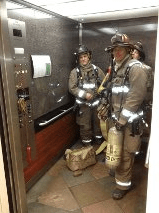
When do you take the Elevator? When do you take the stairs? Can you operate in Firefighter Mode? Do you have a universal elevator key on all companies? Do you carry the red phone? What should you do before getting in elevator? What tools do you carry up? What floor do you get off on?

The First Three With Three “Low Staffing”

How would you handle this, with the first three companies being staffed with only three firefighters?


The First Three with Three


So many FDs are responding with crews of three and sometimes even worse; less than three. Three is not ideal for fire company staffing; but if this is what you have, then have a plan to maximize through alarm assignments/seat and tactical assignments based on arrival sequence. The first arriving company with water must stretch and advance an attack line 99% of the time. The other 1% may be a VES or some other rare first due tactic that must be performed over stretching the line. When first due is stretching there must be a competent company officer to size-up and give the direction of apparatus placement and attack line size. The placement of the apparatus should take into consideration full involvement of structure and ladder placement. Second, length and time to stretch attack line to fire area. When possible the apparatus should be pulled as close as possible to curb on fire side as to leave room for later arriving companies to get passed for placement and/or reverse supply lay. If the first due holds short, evaluate if the ladder can get passed for placement to fire building. The second part of a three person company is the driver and his or her ability to park and prepare for assault on fire. The driver must be able to multi-task and be prepared to enter IDLH if needed or directed because someone else is able to take over pump operations. This is not a perfect world, nor is the fire ground a real stable place. We must be able to change plans at a moment’s notice. Drivers in understaffed companies must wear structural firefighting gear and have SCBA available. They must be able to assist with the stretch while the CO is conducting the size-up “outside the apparatus”. The driver must have the ability to get feeder line in place for second due booster tank. Good length for feeder line is 75′. This will act as measuring stick for second due on where to position. This will help insure the second due does not block ladders that may need to be removed from rear of first due company. After the first line is properly operating and feeder line is in place the driver should stretch back- up line to point of entry to be manned by later arriving companies and / or in an emergency, the driver may need to operate it in case of rapid fire growth or vent point ignition while crew is still inside operating. Consideration should always be given to what type of ventilation and when it’s needed. May just place PPV Fan at point of entry and wait until interior officer advises its ok to start. They may even be directed to take one or two windows on front side of house. “Always keeping in mind that primary job is supplying attack water”


How many hallways has the nozzle firefighter been down? Can they make the push? Do they have the experience to work independant of an officer?


The Nozzle firefighter!

The firefighter that will most likely get the closest to the fire. They must be able to work independent of the CO under hopefully rare circumstances. This firefighter must be able to size-up, size and location of fire to determine proper amount of hose needed at entry point. Fifty feet is not always the answer. The fire service continues to respond to more and more, larger homes that require more than fifty feet at the entry point. This firefighter must have the discipline to call for water when the officer has yet to call for it and there is no other option. They must always bleed the line and confirm a good flow pressure in unison with the driver setting flow pressure. We must enter with a fully loaded gun.

The Second Three!

When the Second Due Company reports directly to the scene.

The firefighter must be assigned as the door/ point of entry control. This position can also staff the back- up line and watch for vent point ignition. After the initial attack line has advanced to its furthest point. Then the second due firefighter can start a search from this point, penetrating the building and hopefully joined by their company officer. Second due driver must position apparatus to allow for a feeder operation and also assist with attack lines if needed. Hopefully the third or fourth line would be stretched off the second due, to assist in line accountability. The second due driver should become the water supply officer and evaluate if the first two tanks will get it, or if the third due needs to lay and charge supply line from hydrant. If the fire has not been knocked down when the second dues booster tank is empty; the third due should be securing a hydrant. “When in Doubt, Lay it Out”. You can lay and not charge it or lay it and charge it. Either way, third due laying a supply line on a house fire is never a bad thing. With 6 already on-scene the initial line is staffed and searches should be underway or shortly underway. The second due driver should be prepared to receive hydrant water and continually feed first due and also pump additional attack lines. Second Due Company Officer must be ready to take command, when a command officer has not arrived and a fast attack mode has been initiated. They must reevaluate the fire scene and the first dues progress and consider the arrival time of command officer. Once a command officer has arrived they can assist with the primary search and or staffing the back-up line.

The Third Three!

The firefighter may on a forward lay be at the hydrant. When this firefighter is at the hydrant they must take the time to fully gate all hydrant ports and confirm a 5 to 10′ tail of supply to ensure no kinks when charging supply line. They must also take time to fully turn hydrant on. Before turning on hydrant, confirm the scene needs and wants it turned on. Just because they hear charge the line, does not mean the supply line from hydrant. This request over the radio could be for the back-up line and/or the feeder line from second due. Once the hydrant is charged the firefighter should advance down to the scene with purpose and possibly assist with LDH clamp or making the break/connection of hydrant supply line. After the hydrant is providing sustained water to the scene, them the firefighter can be assigned by the OIC. “Most likely Truck Operations”.


More to come on how to make the most out of limited staffing……..


Other options to consider: RIT, Forcible Entry of entry point and opposite entry point, vertical & horizontal ventilation.

How do you assign your first nine firefighters or first three companies at a working fire? Do you have seat assignments?