Smoothbore or Fog?

image

SB or FOG? My 2$$
It’s time to but this debate to bed. I say BOTH. There certainly is a place for both and if you find yourself only taking a stand on one of the two nozzles, chances are you are uninformed. SB and Fog a lot of times are dependent on the demographics they serve. Where I work in suburban America, BOTH nozzles are needed and are beneficial. The biggest problem I see when debating these nozzles is that many firefighters are just simply uninformed or under educated on the advantages and disadvantages of BOTH nozzles and even at times, don’t know how to operate the nozzle properly so that it is an effective weapon. The lack of knowledge prevents progress. Staying in your own “bubble” (not getting out of your own department to see how the rest of the world does business) prevents progress. Close minded firemen…”We have always done it this way…and no one got hurt….or just put the damn fire out” mentality, prevents progress. I will take it one step further, it not only prevents progress, but it makes OUR job that more dangerous. That’s right, not just your job, but ALL OF US. This is not an opinion, it is an evidence based FACT. Here are some quick points to ponder that are FACT. Fog nozzles DO NOT provide ANY type of protection with interior firefighting. It is a myth that has absolutely no merit. Watch the video and see what type of “protection” it provides. When operated on a fog pattern, you can move almost as much air as a PPV, essentially creating a wind fueled fire. Again, see the video when the fog pattern is opened twice. Observe how “violent” the conditions get. Drastically changes conditions and heat conditions increase significantly. The ironic thing is, this is what I was taught in 1989 in rookie school. “We don’t know what we don’t know, until we know we don’t know.” I now know it was wrong and dangerous. I’ve learned this through training, education, and experience of being steamed burned (multiple times). Moral of this point, NEVER operate any type of fog pattern, no matter how narrow the fog pattern, when combating interior fires (when fire suppression, not to be confused with mop up). Don’t think so?? Just google the history of the fog nozzle and pattern and how they were originally designed to be used or read up on Lt. Andy Fredrick’s, then come back and finish reading my boring rant. Always use a straight stream. Again, watch video and it clearly demonstrates why we should not be using fog patterns. With that being said, fog nozzles on a straight stream are extremely effective and are excellent weapons. In addition, it does provide the firefighter with a little more versatility to use during overhaul and hydraulic ventilation if needed. Best Fog nozzle weapons are the 50 psi nozzle pressure nozzles. To keep it brief, it equates to high volume of H2o (150+) with low nozzle reaction. The greater the nozzle pressure, the greater the nozzle reaction which equates to gating down the flow. Automatic Nozzles are dangerous, period. Don’t use them with interior firefighting. If you don’t agree or understand, go flow test one and you will see. Don’t use 100 psi fog nozzles. These were big in the 80s and 90s, but fortunately are phasing out of interior firefighting. SB nozzles are extremely effective interior weapons and have been since the inception of the American Fire Service. They have low nozzle pressure (50 psi), typically open orifices the pass debris (essential for stand pipe operations) and solid packed streams that will penetrate objects such as dry wall much better than their fog counterparts. They typically have the same reach as the newer designed fog nozzles, but more volume of the stream goes further distance. SB also are typically small, light, basic, and compact, unlike their fog brothers from another mother. This design makes it ideal for combat firefighting. Light and small equates to aggressive movement of the nozzle….no big fog bails weighing it down. Simple in design….less that will go wrong, and that IS a big deal when the shit hits the fan. And, they are just plain durable and an effective weapon. The biggest mistake I have seen in my career for those who have not been exposed to SB nozzle operations (and that’s a lot of departments in suburban America), is the lack of understanding on how to operate this weapon in an effective mode. It should be moved aggressively all over the room, hitting the floor, sweeping the upper atmosphere, using the ceiling and walls to break up the stream into small droplets. The droplets will not be as fine as a fog stream, thus working to our advantage to not completely jack up the thermal balance like the fog pattern does. Many firefighters loose site of a simplistic concept they teach us in rookie school. GPM extinguishes BTUs. If we allow firefighters to use a SB line when they have never used one before but we don’t train them on how to use it, then we shouldn’t get pissed if they have a negative experience and decide it is not a viable option. So, the point of this rant…..BOTH ARE AWESOME WEAPONS THAT SHOULD BE USED. I believe in having versatility on an engine and by having both options, only make sense. Don’t take mine or anyone else’s word on this, go find out for yourself by training, reading books, studies, and journals about this (that’s right…we do actually learn from reading others materials and can apply what we learn), and challenging the status quo. If you have formulated an opinion on this but it is not based on your own research, training, experience, and education, I would encourage you to re-evaluate your position on this subject. Be the courageous follower in your department and challenges all perspectives to find out what works best for your demographics. “Challenge the Status Quo!”
Be Aggressive-
8 5 0 F I R E M E N
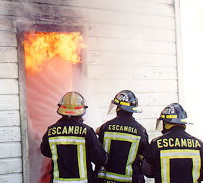
Little Drops Of Water & Application of Water

FOG ATTACK

So when is it a good idea to use a Fog Attack or a Combination Attack? When should we set our Fog Nozzle on a fog pattern? When Should we set our Fog/combination nozzle on straight stream? Do we push fire and if so; when? Does the setting of the nozzle effect te ability to push fire? Is there ever a time we would want to push fire? When is it ok to apply water from the outside? BE BRAVE and post your thoughts. Share your opinion for all to see. Check Out  www.firefighterrescues.com sign up for email notification of New Post at bottom of Home Page.

The Two and Half Inch Attack Line “The Deuce & Half”


What’s the difference between the two set-ups? Is your department open to stretching & Flowing the 2.5″ attack line first due, with only a three person crew? Will your FD allow stretching & Flowing a 2.5″ off tank water?


Smooth-Bore vs Fog What do you prefer for the interior attack?

Does a Smooth-bore cause water damage? Does a FOG on a WIDE FOG push Fire?

WHY are so many FIREFIGHTERS totally against/closed minded towards the       SOLID STREAM?  I love BOTH!!  I like options!! I like to have the chose based on fire conditions and extinguishment needs.  SOLID STREAMS/SMOOTH-BORE nozzles have been proven to be very reliable and effective on the fire ground for longer than anyone still involved in fighting fires. So study history and have options!!!!!!!  SORRY there is no DEBATE.

Choosing Between Smoothbore and Fog Nozzles: Key Considerations

When selecting a nozzle for interior firefighting, the choice between a smoothbore and a fog nozzle can significantly impact performance and safety. Here are the core arguments for each option:

Advantages of Smoothbore Nozzles

  1. Penetration and Reach: Smoothbore nozzles are renowned for their ability to deliver a concentrated stream of water with impressive penetration and distance. This feature is critical for reaching the seat of the fire quickly, especially in environments where high pressure is required.
  2. Consistent Flow Rate: They provide a stable Gallons Per Minute (GPM) output, which can be crucial in ensuring an effective and steady firefighting effort.
  3. Lower Operating Pressure: These nozzles generally require less pressure to operate efficiently, reducing nozzle reaction and making it easier for firefighters to handle the hose.

Advantages of Fog Nozzles

  1. Versatility: Fog nozzles offer a range of spray patterns, from a narrow straight stream to a wide fog. This adaptability allows firefighters to adjust the output based on the immediate needs of the situation, such as indirect attack or rapid heat absorption.
  2. Cooling and Protection: The wide spray pattern of a fog nozzle can absorb heat rapidly and provide a cooling shield for firefighters, especially when operated in confined spaces.
  3. Gas Entrainment: By generating a fog pattern, these nozzles can entrain significant volumes of gases, potentially pushing smoke and combustion products away from advancing hose lines.

Considerations and Challenges

  • Steam Production: While the fog pattern can be beneficial, it can also generate large amounts of steam, which might pose hazards in poorly ventilated areas or if crew members become surrounded by steam.
  • Situational Dependency: The best choice often depends on specific fire conditions. For example, a confined space might benefit from the cooling effect of a fog pattern, provided that ventilation is adequate to manage steam.
  • Combination Options: Some modern nozzles offer combination features, allowing firefighters to switch between fog and smoothbore settings. This flexibility can be invaluable in dynamic fire situations.

Ultimately, the decision between a smoothbore and a fog nozzle should be guided by the tactical requirements of the situation, the experience of the crew, and the specifics of the structure and fire behavior.

The Crucial Role of Knowledge in Firefighting: A Guide for Young Firefighters

Understanding the variety of nozzles available is fundamental for young or inexperienced firefighters. Here’s why diving deeper into this knowledge is crucial:

  1. Adaptability in Diverse Situations
    Fire scenarios vary significantly, and the nozzle you choose can dramatically affect the outcome. Knowing about different types empowers a firefighter to adapt quickly to unexpected challenges, deploying the most effective tools when seconds matter.
  2. Broadening Tactical Skills
    Different nozzles offer varied flow rates and spray patterns. By familiarizing yourself with these options, you enhance your tactical skill set. This means being able to control fires more effectively and efficiently, potentially saving more lives and property.
  3. Enhanced Safety Measures
    An understanding of nozzle mechanics and capabilities can lead to safer firefighting practices. Knowing how each type functions allows you to anticipate problems before they arise, ensuring that both you and your team operate in the safest possible manner.
  4. Professional Growth and Leadership
    Comprehensive knowledge beyond agency standards sets a solid foundation for leadership opportunities. When you can make informed decisions about equipment and tactics, you stand out as a knowledgeable professional, ready to guide and educate others.
  5. Personal Confidence and Initiative
    Having the technical know-how about a wide range of firefighting tools instills confidence in your abilities. This proactive learning approach demonstrates initiative, showing that you are not just reliant on habitual agency practices but are committed to personal development and improvement.

By seeking out knowledge beyond what is immediately required or available through your current agency, you prepare yourself for a more successful and adaptable firefighting career. This continuous learning approach aligns with the ultimate goal of every firefighter: saving lives and serving your community with excellence.

Understanding the Impact of Nozzle Choice on Standpipe Operations

When it comes to standpipe operations, the selection of the right nozzle is crucial for both safety and efficiency. Each fire department, whether large or small, faces unique challenges and conditions that influence their equipment choices. What works effectively in one region might not be suitable in another. Here’s how nozzle selection can significantly impact these operations:

1. Safety Considerations

  • Pressure and Control: Nozzles that require higher operating pressure can be difficult to manage, leading to potential safety risks. For instance, maintaining control over a 1.75” hose with a 100 psi fog nozzle can be challenging, especially under duress in high-pressure situations.
  • Compatibility with Hose: The right nozzle ensures a stable connection and smooth operation. Mismatched equipment can lead to hose whipping or a lack of directional control, putting firefighters at risk.

2. Efficiency in Water Delivery

  • Flow Rate: Different nozzles provide varying flow rates. Choosing a nozzle that optimizes flow for the specific building or fire size ensures that water is delivered effectively and promptly, minimizing damage and controlling the fire more efficiently.
  • Stream Patterns: Adjustability in the nozzle’s stream pattern—from fog to straight stream—can enhance the effectiveness of water delivery, enabling firefighters to adapt to changing fire dynamics quickly.

3. Operational Flexibility

  • Ease of Use: Some departments rely on older, familiar nozzles that align with their standard operating procedures, even if they aren’t the most efficient. By experimenting with modern nozzles designed for today’s challenges, fire departments can improve adaptability on the scene.
  • Cultural Adaptation: Many departments develop a preference based on historical use and training. However, examining current evidence and being open to modern nozzle options can lead to adopting practices that improve overall safety and effectiveness.

Fire Engineering has some excellent articles on drops of water. The authors actually did scientific experiments. The results showed that during an interior attack, the drops from a smoothbore (SB) actually made it through the fire gases as they fell and cooled the solid burning fuels. The water drops from a fog on a straight stream were smaller than those of a SB and were consumed in the upper gas area, not making it down to the burning solid fuels to stop the production of more heat/fire gases that kill and will cause the interior to continue to burn.

Myths and Misconceptions

There are several myths about smoothbore versus fog nozzles that need addressing. One such misconception is that penetration and distance are different factors; however, they are essentially the same. The straight stream from a properly adjusted fog nozzle is only marginally less effective than a comparable solid stream from a smoothbore.

When it comes to GPM and pressure, it’s crucial to compare apples to apples. Make sure to choose the right nozzle for the job by understanding these metrics in context.

Personal Preferences and Practical Use

I LIKE BOTH. But, if I am stretching for an interior attack, I would prefer a SB backed up by a fog. If stretching for exterior work, I would prefer fog. I can tell a difference between the two when operating inside with high heat conditions. The SB causes less upper steam and gives a fast knockdown. Fog requires the windshield wipers on the mask and heat conditions do rise more so than that of a SB.

In the end, they both are excellent nozzles if they are flowing more than the BTUs being produced.

However the deal with using said nozzle is DISCIPLINE! The nozzleman has to keep it on straight stream during operations 98% of the time. That is the rub and I see it all the time is the 3/4 fog attack nonsense. Bad nozzle discipline has given us fog dogs a bad name!!! BTW the FOG nozzles place is on the 1 3/4 ONLY…STOP USING IT ON BIGGER LINES AND MASTER STREAMS!

Now, let’s dive deeper into why this discipline is so critical. Fog nozzles offer versatility, allowing you to switch between direct and indirect attack strategies. This flexibility can be crucial in pushing fire and combustion products away from your advance. Yet, this adaptability comes with its own set of challenges.

Advantages of Fog Nozzles

  • Steam Generation: In confined spaces, fog nozzles create steam, which can suppress fire effectively. However, this is only beneficial if the area is clear of unprepared firefighters or victims.
  • Gas Entrainment: These nozzles can entrain around 5,000 cubic feet of gases per minute into the stream, aiding in controlling the fire under the right circumstances.

Disadvantages to Consider

  • Positioning Hazards: Using a fog pattern when above or between the fire and the ventilation point is risky. This can lead to steam being forced back over the crew, increasing the danger.
  • Heat and Condensation: The steam generated condenses upon anything cooler than 212°F, including you and your gear, bringing 970 BTUs per pound back onto the crew. This can lead to burns and other heat-related injuries if not managed properly.

In essence, while fog nozzles are powerful tools, their proper use hinges on strict discipline and understanding of their inherent risks and benefits.


Conclusion

Ultimately, the effectiveness of standpipe operations hinges on selecting the right combination of hose and nozzle. Fire departments are encouraged to assess their specific needs and consider new technologies and methodologies. By doing so, they can ensure that their choices promote not just tradition but enhanced safety and operational efficiency.