
 Water is the equalizer in destroying the Fire Triangle. Understanding the Fire Triangle is necessary for successful extinguishment and survival on the fireground. Water application increases survivability for civilians and firefighters alike.
Water eliminates the heat before the entry of oxygen, creates and maintains survivable space for civilians first and firefighters second, and aids in property conservation. Homes can dry out, but it is difficult for them to be unburned.
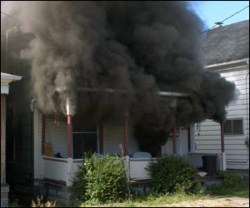 Current building and remodeling practices hinge on energy efficiency creating a significant opportunity for more oxygen-limited fires. When arriving on the scene of a fire presenting with these conditions, we must never forget that water is the equalizer.
Water application on black fire, superheated gasses, and the heated interior environment will allow engine and truck firefighters to conduct fire attack and a rapid primary search. Water application is the leading tactic in preventing death on the nozzle.
 When placing people before water, fireground commanders must understand the importance of rapid attack or fast water from the water supply we bring to the fire in our booster tank and following it up by utilizing the booster backup.
This tactic provides more water on the scene, and additional firefighters get the initial line in operation, and a primary search underway rapidly. UL’s scientific research indicates the first flashover in a structure occurs between 00:03:20 and 00:04:50 during four experiments under similar conditions from 2009 to 2020. But a building will continue to heat and bring other rooms to their ignition temperature, setting the stage for the next flashover event on the fireground.
 While the booster backup tactic will not completely extinguish all fires utilizing two booster tanks, the forward advance of the enemy will slow down while awaiting reinforcements. When in this situation, firefighters must have tactics reinforced through training to establish a sustained water supply.
Options for the water supply include a forward lay, reverse lay, or hand stretching within a reasonable distance based on your supply hose. You will find videos of these tactical options below. As a fire ground commander, I prefer the reverse lay option to the hydrant. This tactic can provide an additional advantage against the enemy, maximizing the gallons per minute sent back to the fire scene with an engine pumping from the hydrant.
 Water provides firefighters the most significant opportunity to win the war against the fire, the products of combustion, and the ongoing demolition of structural building components. Water is the equalizer in leveling and destroying the enemy on the field of battle.
Our fields of war are the neighborhoods we protect. We are responsible for the people within those areas who depend on us to rescue them at all hours of the day and night. People go to sleep easier at night knowing we will come for them, their children, and their families.
 A
A 
 When the incident commander arrives on the scene, regardless of rank or vehicle style, the framework for the overall success of the fire begins with the scene size-up, selection of the tactics that will put out the fire based on manpower available, and the tempo at which the tactics are carried out. The photo shows smoke coming from a one-story wood frame with a central hallway leading from the front to the rear. This older home is sealed up tight, boarded up windows, and a damaged roof tarped with furring strips. A gut instinct by the IC drove a slightly slower tempo in recognizing the potential for extreme fire conditions upon opening up this oxygen or ventilation limited fire.

 During the initial fire attack, the ongoing size up revealed a separate one-bedroom apartment only accessible from the Charlie side of the structure. The line going down the Bravo side continued the interior fire attack in this section of the converted single-family home. Direct water application through interior fire attack allows firefighters to rapidly remove heat, and replace it with oxygen through our fire ground tactics. Water creates and maintains survivable space giving trapped civilians the highest probability of survival.



You must be logged in to post a comment.